In 1933, roughly one in four American workers was unemployed, banks were failing, and many families had lost their savings. The federal government responded with an unprecedented burst of programs that changed daily life, and changed who counted as “covered” by the nation’s safety net.
Quick answer: What was the New Deal? It was a set of federal programs, laws and agencies created in the 1930s under President Franklin D. Roosevelt to fight the Great Depression through relief, recovery and reform. It created lasting institutions such as Social Security and federal bank insurance, but many of its protections excluded farm and domestic workers, groups that included a large share of Black workers, especially in the South.
The crisis that came first
The Great Depression began after the stock market crash of 1929 and deepened over the next several years. Banks failed, taking depositors’ savings with them. Factories cut hours or closed, and unemployment climbed to historic highs. Farm prices had already been weak for years, so rural families were often hurting before the crash.
Before the 1930s, most help for the poor came from families, churches, local charities and city or state governments. Those systems were overwhelmed. The question facing the country was not only “how do we recover?” but “who is responsible when private and local help runs out?”
Roosevelt took office in March 1933 promising action. What followed was less a single plan than a series of experiments, some of which worked, some of which were struck down, and some of which were quietly dropped.
What was the New Deal? The “Three Rs”
Historians often organize the New Deal into three goals, sometimes called the three Rs. This is a simplification, since many programs served more than one purpose, but it is a useful map.
- Relief: immediate help for people in desperate need.
- Recovery: efforts to restart the economy and create jobs.
- Reform: rules and institutions meant to prevent another collapse.
Stabilizing banks and finance
One of the first moves was a bank holiday in March 1933, a temporary closing of banks so they could be inspected before reopening. Congress then created the Federal Deposit Insurance Corporation (FDIC), which insures bank deposits up to a set limit, so a rumor no longer sends everyone running to withdraw savings. The Securities and Exchange Commission (SEC) was later created to oversee stock markets and require more honest disclosure by companies.
Jobs and public works
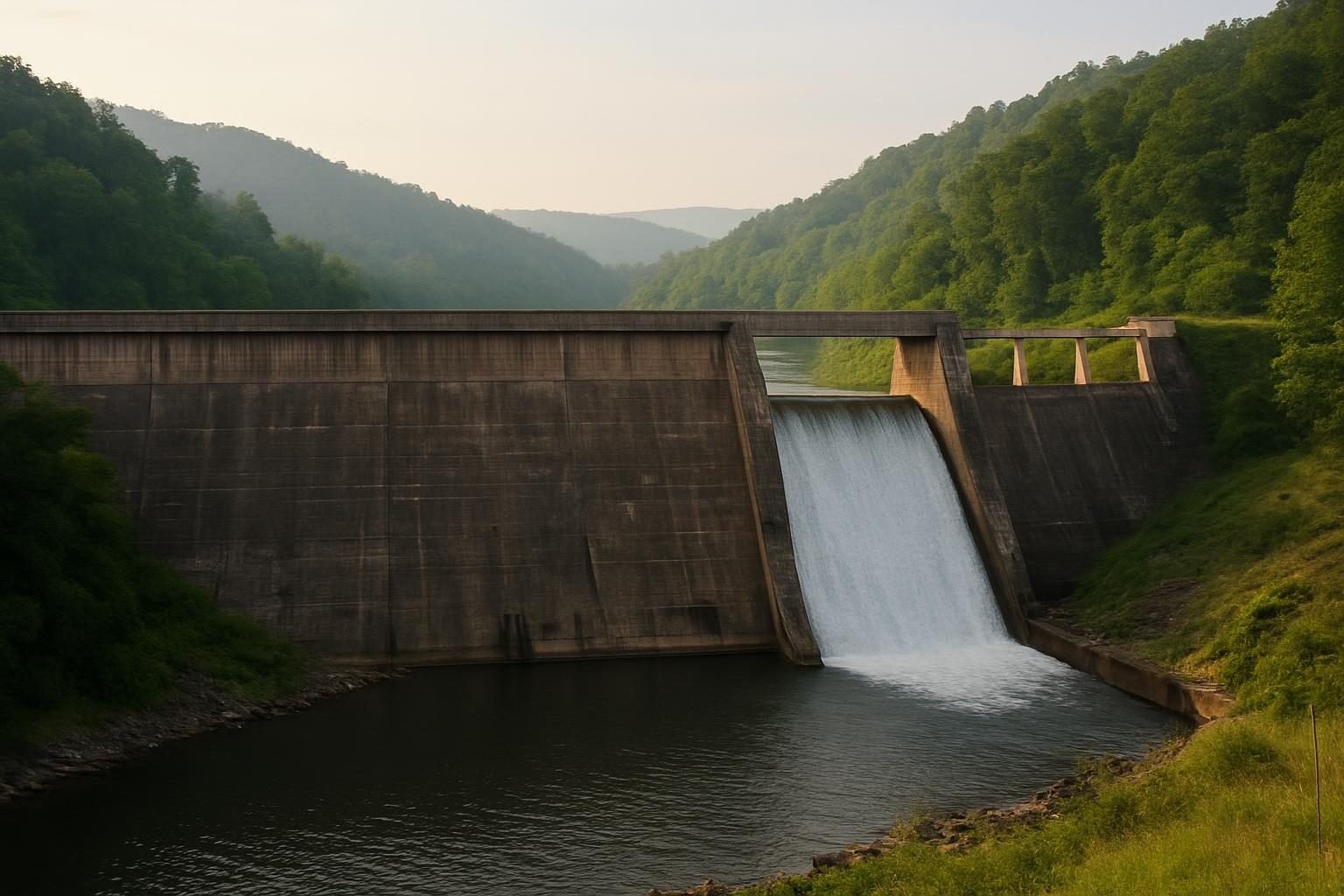
Several programs paid people to work rather than simply handing out aid. The Civilian Conservation Corps (CCC) employed young men on conservation projects such as planting trees and building trails. The Works Progress Administration (WPA) later hired millions of people to build roads, bridges, schools and public buildings, and it also funded artists, writers and musicians. The Tennessee Valley Authority (TVA) built dams and brought electric power to a poor rural region.
Supporters saw these programs as preserving dignity, because people worked for wages. Critics at the time and since have argued that some projects were inefficient or politically driven. Both points have some documented basis.
Farms, labor and the safety net
The Agricultural Adjustment Act tried to raise crop prices by paying farmers to reduce production. The National Labor Relations Act of 1935, often called the Wagner Act, protected the right of many workers to organize unions and bargain collectively. The Fair Labor Standards Act of 1938 set a national minimum wage and overtime rules, and limited child labor in covered industries.
Then came Social Security, signed in 1935. It created a federal retirement program funded by payroll taxes, along with unemployment insurance and aid for some other groups. It is the best-known New Deal institution still operating today.
The New Deal rewrote what Americans expected from Washington, but it did not write the same rules for everyone.
Key New Deal programs at a glance
| Program | Approximate purpose | Still around? |
|---|---|---|
| FDIC | Insures bank deposits | Yes |
| SEC | Oversees stock markets | Yes |
| Social Security | Retirement, survivor and other benefits | Yes, with later changes |
| CCC | Conservation jobs for young men | Ended in the early 1940s |
| WPA | Large-scale public works jobs | Ended in the early 1940s |
| TVA | Dams, power and regional development | Yes |
| Wagner Act (NLRA) | Collective bargaining rights | Yes, as amended |
| Fair Labor Standards Act | Minimum wage, overtime, child labor limits | Yes, as amended |
Rules, benefit levels and eligibility for programs that still exist change over time. For current details, check official sources such as the agency websites.
Did it work? What the evidence shows
This is one of the most debated questions in American economic history, and it helps to separate facts from interpretations.
What is widely agreed
Bank panics largely ended after deposit insurance and banking reforms. Millions of people received wages or aid they would not otherwise have had. Public works left behind infrastructure that communities still use. And the economy did begin growing after 1933, though unevenly.
Where historians disagree
Unemployment remained high through much of the 1930s, and there was a sharp downturn in 1937 and 1938. Some economists argue the New Deal was too timid and that larger spending would have worked faster. Others argue that some policies, such as certain price and wage controls, slowed recovery. Many historians point to the enormous spending and mobilization of World War II as the point when full employment returned.
There is also a values question that evidence alone cannot settle: what is the proper size and role of the federal government? Supporters see the New Deal as a necessary response to market failure. Critics see it as the start of federal overreach and long-term fiscal obligations. Those are different weightings of freedom, security and responsibility, not just different readings of data. For more on how the federal system divides power, see our guide to how state and federal power work.
The courts pushed back
Some early New Deal programs were struck down by the Supreme Court, which found that parts of them exceeded federal authority. The dispute led to a fierce fight over the Court’s role. If you want the background, our plain-English guide to what the Supreme Court does explains how those decisions work, and separation of powers shows why the branches clash.
Who was left out?
The New Deal helped many Americans, but its benefits were not distributed equally. The exclusions were not accidents of paperwork. They came out of political bargaining and the racial order of the time.
Farm and domestic workers
When Social Security passed in 1935, its core retirement and unemployment programs did not cover agricultural workers or domestic workers, such as maids, cooks and household help. Several other protections, including parts of the Fair Labor Standards Act and the Wagner Act, also excluded these occupations.
Why does that matter? In the 1930s, a large share of Black workers, especially in the South, worked on farms or in other people’s homes. Historians widely document that the exclusions therefore left a majority of Black workers outside key protections, although the written rules did not name race. Many white farm laborers, including poor tenant farmers and migrant workers, were excluded too.
Why were they excluded?
The most common explanation among historians is political. Southern Democrats held powerful committee chairmanships in Congress, and their support was needed to pass major legislation. Many were wary of federal programs that could alter local wage levels or labor arrangements, which were tied to the region’s racial hierarchy and systems like convict leasing. Excluding agricultural and domestic work was a compromise that let the bills pass.
Some scholars also point to administrative arguments of the time: it seemed hard to collect payroll taxes and keep records for scattered farms and private households. Historians weigh these explanations differently, and many see several factors operating at once. What is not in dispute is the outcome. A large group of workers started with less protection, and it took years of later legislation to extend coverage.
Other uneven outcomes
Exclusion in law was only part of the story. Many New Deal programs were run through state and local officials, who often had wide discretion. Historians have documented cases where local administration of relief, jobs programs and farm payments disadvantaged Black Americans, Mexican American workers and Native Americans. Women often received less access to work relief and were frequently paid less when they did. These patterns of exclusion and discrimination would continue to shape American politics and social movements, including the Black Panther Party decades later.
Housing is a clear example. New Deal-era housing agencies helped create the mortgage system many families still rely on, but their maps and underwriting standards steered credit away from many neighborhoods. We explain that history in What Was Redlining? and the larger picture in How Policy Shaped Wealth in America. A later example of federal benefits working differently by race is covered in our planned piece on the GI Bill and Black veterans.
A program can be popular, effective and unequal all at once. Honest history holds all three facts together.
The coalition and the compromise
It is tempting to treat the exclusions as simple prejudice, but the incentives were more layered. Roosevelt needed to pass legislation through a Congress in which Southern Democrats had substantial power, and he judged that confronting them directly would sink the bills. Southern lawmakers, for their part, were protecting a regional economy and a racial order built under Jim Crow laws.
That tension has deep roots. The country had already seen an earlier federal effort to protect Black citizens collapse, as we describe in What Was Reconstruction and Why Did It End? Understanding these incentives does not excuse the outcome. It explains how a system that helped millions could also leave millions behind, and it shows why the structure of lawmaking matters. You can see how those structures work in How Does a Bill Become a Law?
Many Black Americans moved north in these years in search of better jobs and rights, a story told in The Great Migration Explained. Over time, Black voters also shifted political loyalties in response to the New Deal’s partial benefits. Historians discuss how that realignment unfolded across decades.
What changed later, and why it still matters
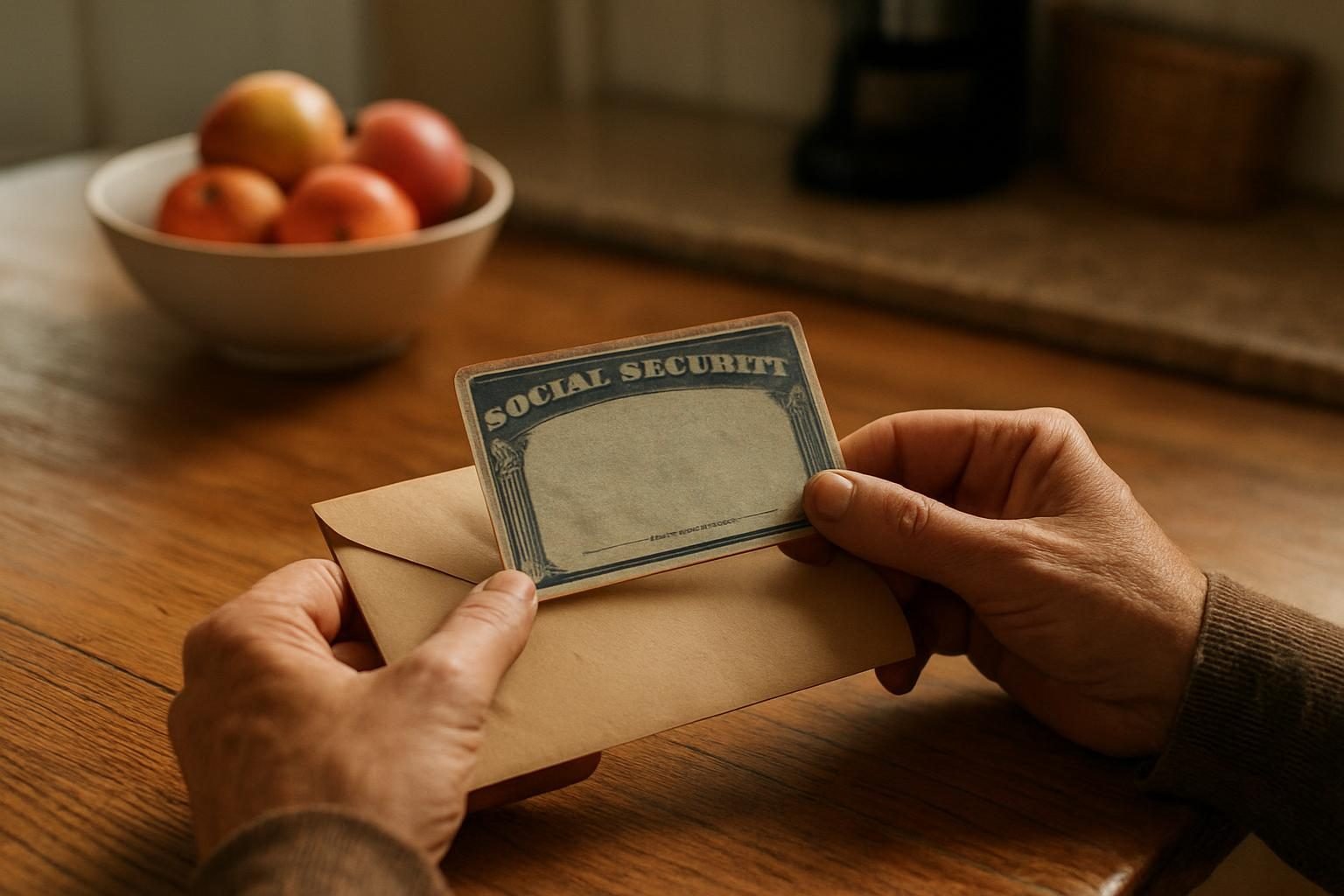
Coverage gaps were narrowed over time. Congress expanded Social Security to include many farm and domestic workers in the middle of the twentieth century, and later changes extended the minimum wage to more workers. Some limits on coverage and protections still exist for certain categories of work, so readers should check current official sources, such as the Social Security Administration and the Department of Labor, for today’s rules.
The New Deal also left a lasting argument. One side holds that federal programs offer security and fairness that markets and charity cannot provide. The other holds that centralized programs risk dependency, cost and political favoritism, and that local and private solutions are more accountable. Both sides can point to parts of this history. Reading it closely can make conversations less heated. Our guide to talking about politics with family offers practical ways to have them.
Think about it: If a program helps most people but leaves out a group that already has the least, how should we judge it? Does it change your answer if the exclusion was the price of passing the law at all?
Key takeaways
- The New Deal was a collection of 1930s federal programs aimed at relief, recovery and reform during the Great Depression.
- It created lasting institutions, including Social Security, the FDIC, the SEC and the TVA, while other programs ended.
- Historians agree it eased suffering and stabilized banking, but disagree about how much it ended the Depression itself.
- Farm and domestic workers were excluded from key protections, which left out a large share of Black workers, especially in the South.
- The exclusions came from political bargaining and the racial order of the era, and coverage was widened in later decades.
- Debate over the New Deal reflects real differences in values about government’s role, not only differences in facts.
To place the New Deal in the longer story, start with our guide to American history that explains today and browse more in our History & Context section. For the Jim Crow-era policies that shaped later outcomes, see our planned article on urban renewal and a companion on the history of voting rights in America.
Frequently asked questions
What was the New Deal in simple terms?
The New Deal was a series of federal programs, laws and agencies launched in the 1930s under President Franklin D. Roosevelt to respond to the Great Depression. Its goals are often summarized as relief for the unemployed, recovery for the economy, and reform of the financial system. It permanently expanded what Americans expect the federal government to do.
Did the New Deal end the Great Depression?
Historians and economists still debate this. Most agree the New Deal reduced suffering and stabilized banking, but unemployment remained high for much of the 1930s. Many point to the massive spending of World War II as the point when full employment returned. Reasonable people weigh the programs’ successes and limits differently.
Why were farm and domestic workers excluded from Social Security?
When Social Security passed in 1935, agricultural and domestic workers were left out of its main retirement program. Historians generally explain this as a political bargain: Southern members of Congress held key committee positions and were wary of federal rules that could affect the region’s labor and racial systems. Because most Black workers in the South were farm or domestic workers, the exclusion fell heavily on them. Coverage was expanded in later decades.
What New Deal programs still exist today?
Several remain in some form, including Social Security, the Federal Deposit Insurance Corporation (FDIC) that insures bank deposits, the Securities and Exchange Commission (SEC) that oversees stock markets, and the Tennessee Valley Authority (TVA). Rules and benefits for all of these change over time, so check official sources such as ssa.gov for current details.
Why do people still argue about the New Deal?
Because it raised a question Americans still debate: how large should the federal government’s role be in the economy and in people’s security? Supporters point to the relief and protections it created. Critics point to costs, federal power, and the uneven way benefits were distributed. Both arguments rest on real history, and they also rest on differing values.