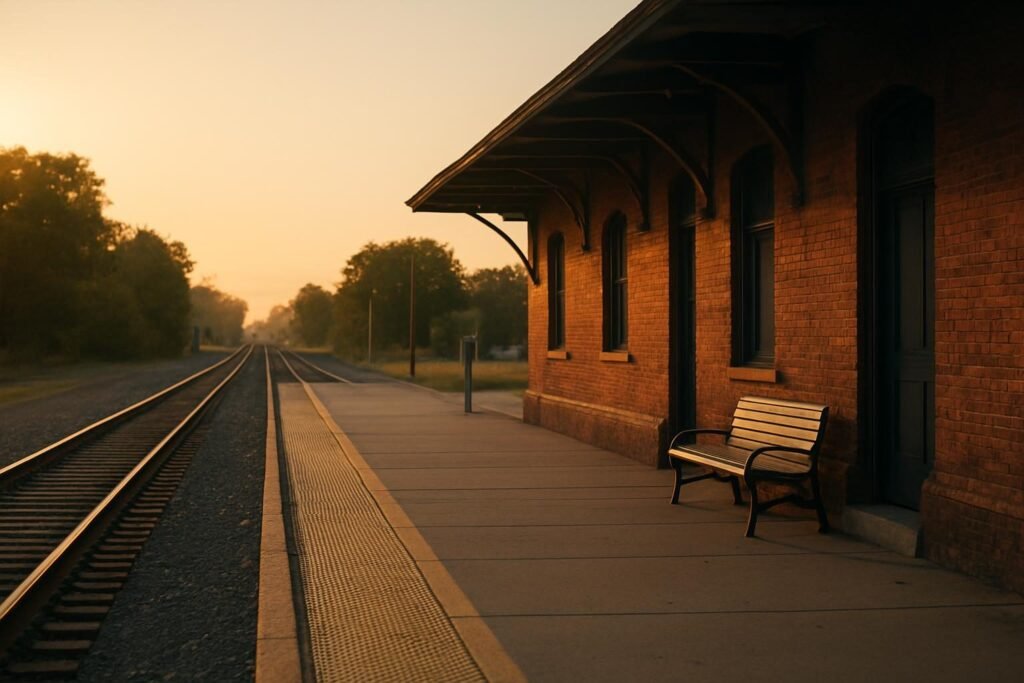
Between roughly 1916 and 1970, about six million Black Americans packed up and left the rural South. They moved to Chicago, Detroit, New York, Los Angeles, and hundreds of smaller cities, and in doing so changed the country’s politics, music, neighborhoods, and economy.
The Great Migration explained in one sentence is a story about ordinary people making a hard choice. Understanding it helps explain a lot about where Americans live today and why.
Quick answer: The Great Migration was the movement of about six million Black Americans from the South to cities in the North, Midwest, and West between roughly 1916 and 1970. People left to escape Jim Crow segregation, violence, and poverty, and to pursue jobs, schools, and the vote. Their arrival transformed American cities, politics, and culture, though many faced new forms of discrimination.
What was the Great Migration?
The Great Migration was one of the largest internal movements of people in American history. Around 1900, roughly nine in ten Black Americans lived in the South, most of them in rural areas. By 1970, about half lived outside the South, and the great majority lived in cities.
Historians usually describe two waves, and the numbers below are approximate, commonly cited ranges.
| Wave | Approximate years | Approximate number of migrants | Common destinations |
|---|---|---|---|
| First Great Migration | 1916 to about 1940 | About 1.5 to 2 million | Chicago, Detroit, New York, Philadelphia, Cleveland, Pittsburgh |
| Second Great Migration | About 1940 to 1970 | About 4 to 5 million | The same cities, plus Los Angeles, Oakland, Houston, and other Western hubs |
The word “great” is about scale, not just distance. Whole towns and church congregations sometimes relocated together, following family and friends along the same rail lines.
Why did people leave the South?
No single reason explains the Great Migration. Historians point to a combination of forces that pushed people out and pulled them toward something better.
The push: a system built to hold people down
After Reconstruction ended, Southern states built a legal and social order of racial hierarchy. Jim Crow laws required separation in schools, transportation, and public life, and Black Southerners were systematically blocked from voting.
Economic life was tightly controlled too. Many Black families worked as sharecroppers, farming land owned by others in exchange for a share of the crop. Accounts at the landowner’s store could keep families in debt year after year. The criminal justice system was also used to compel labor, a history explored in What Was Convict Leasing? Slavery by Another Name Explained.
Racial violence, including lynching, was a documented feature of the era. Families often cited fear for their safety, and for their children’s, as a deciding factor.
The pull: jobs, schools, and the vote
Meanwhile, Northern factories wanted workers. When World War I cut off immigration from Europe and drew men into the military, labor shortages opened industrial jobs, including in steel, meatpacking, auto plants, and shipyards. World War II created another surge in demand.
Wages in Northern cities were often several times higher than what a sharecropper could earn. Schools were generally better funded, and Black men and women could vote. Those were powerful incentives.
The Great Migration was a vote cast with feet, by people who were denied the ballot at home.
How did people find their way north?
Information traveled through networks. Black newspapers such as the Chicago Defender circulated widely in the South, often passed hand to hand, and carried news of jobs and conditions in the North. Some Southern white officials and landowners tried to restrict their distribution because they feared losing workers.
Letters from relatives who had already left mattered even more. Migrants wrote home about wages, housing, and which employers were hiring. That chain of personal advice is a big reason certain Southern places sent people to particular cities.
Railroad lines shaped the map. As a general pattern, people from the Mississippi Delta often headed up the Illinois Central line toward Chicago, while those from the Atlantic Coast states often traveled toward New York, Philadelphia, and Washington. Migrants from Texas and Louisiana commonly went west, especially in the 1940s.
What did migrants find when they arrived?
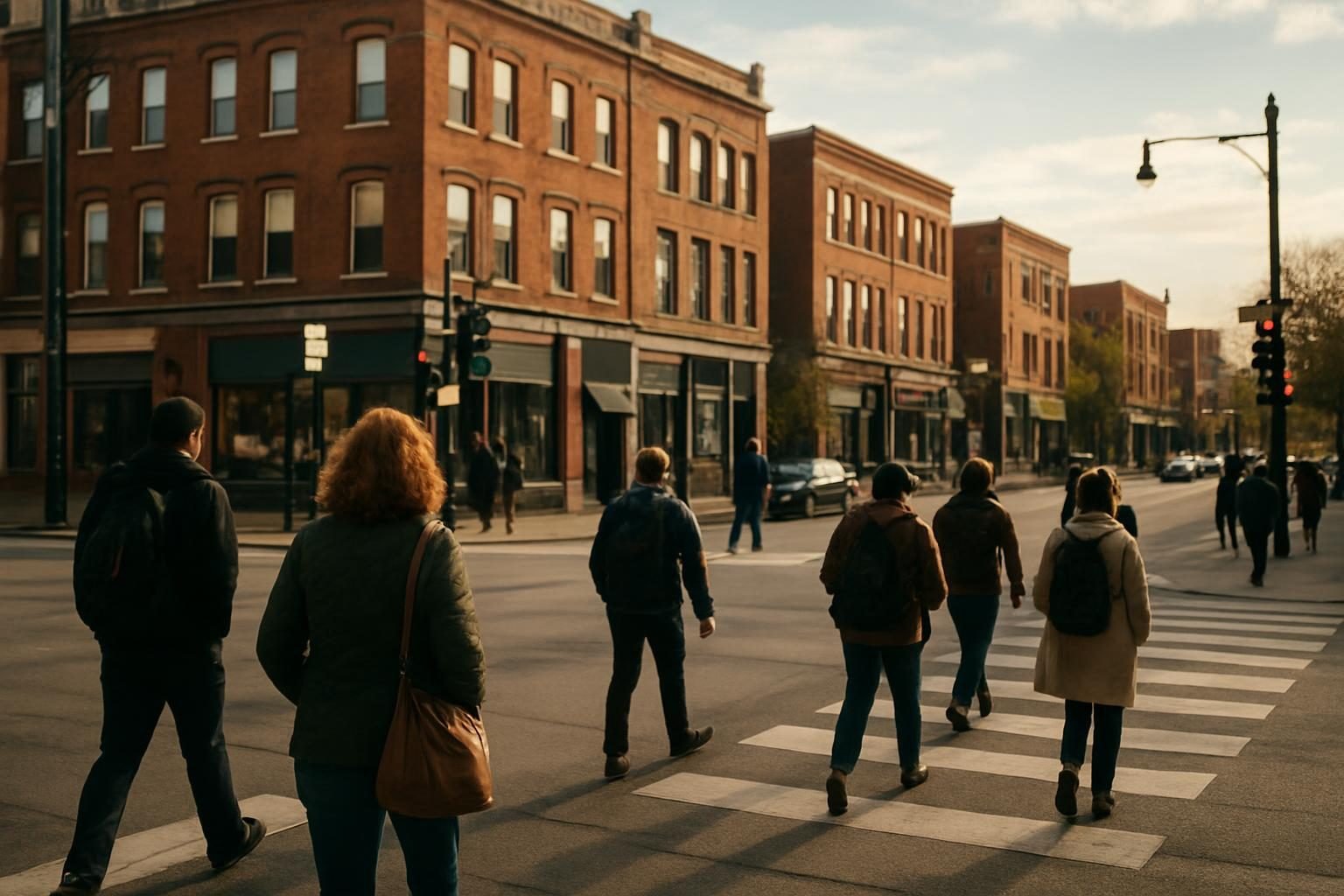
The North was not the promised land many had hoped for. It was better in important ways and still deeply unequal.
Real gains
Many migrants earned more, sent their children to better schools, and gained political voice. Black communities built churches, businesses, newspapers, and cultural institutions that flourished. The Harlem Renaissance in New York, the blues and gospel scene in Chicago, and Detroit’s music industry all grew out of these new urban communities.
New barriers
Discrimination followed people north in different clothing. Employers often hired Black workers last and fired them first, and many unions excluded them or restricted them to lower-paying jobs. Housing was the biggest constraint.
Black newcomers were frequently confined to a few crowded neighborhoods through restrictive covenants (clauses in property deeds barring sales to Black buyers), steering by real estate agents, and lending practices documented in What Was Redlining? Overcrowding allowed landlords to charge high rents for poor housing.
Violence also occurred. Major riots broke out in cities including East St. Louis in 1917 and Chicago in 1919, often triggered by competition over jobs and housing and by white resistance to Black neighbors. Later, families who moved into white neighborhoods sometimes faced harassment and mob action.
How did federal and local policy shape outcomes?
Where migrants could live, and what wealth they could build, was strongly influenced by government decisions as well as private prejudice. This is a point where historians agree on the facts, even if people differ on how to weigh them today.
Federal programs during the Depression and postwar years shaped who could get a mortgage and where. Our guide to how policy shaped wealth in America covers this in more depth. Related stories include What Was the New Deal, and Who Was Left Out? and The GI Bill: How a Middle-Class Engine Worked Differently by Race.
Later, What Was Urban Renewal? Highways, Bulldozers and Lost Neighborhoods explains how highway and redevelopment projects often cut through Black neighborhoods in the cities migrants had built.
Moving north changed the odds for millions of families, but it did not erase the rules that tilted the playing field.

How did the Great Migration change America?
Politics
Black voters in Northern cities gained real political weight, and their votes helped shift the priorities of both major parties over time. Black elected officials emerged in city councils, state legislatures, and Congress. The migration also built the base of organized communities that helped fuel the civil rights era. For a fuller picture, see The Civil Rights Movement: A Timeline With the Context Schools Skip and A Short History of Voting Rights in America.
Culture
The migration reshaped American music, literature, food, and art. Jazz, blues, gospel, rhythm and blues, and later hip-hop all trace roots to communities formed in these years. Writers such as Richard Wright, Toni Morrison, and many others have explored the movement in their work, and artist Jacob Lawrence painted it in a famous series.
Cities and the white response
As Black populations grew in Northern cities, many white residents moved to suburbs, aided by federal highway and mortgage policy. Historians often call this “white flight,” and debate how much of it was driven by race, by housing policy, by jobs moving outward, or by all of these together. Whatever the mix, the result was a pattern of separate neighborhoods and uneven public investment that many cities still live with.
What do people debate about the Great Migration?
Some questions here are factual, and some involve values. It helps to separate them.
- Was it mostly push or pull? Some scholars emphasize the push of Southern oppression, while others stress the pull of economic opportunity. Most historians say both mattered, and that the balance varied by person and place.
- How much did the North help or hurt? One view stresses that migrants earned more and gained rights. Another stresses that discrimination and segregation limited what those gains could become. The evidence supports both: real progress, and real limits.
- How much do past policies explain present gaps? People disagree about how directly historical housing and job discrimination connect to today’s wealth and neighborhood differences. Economists and historians study this closely, and readers can weigh the research for themselves.
Understanding the history does not settle every present-day policy question. Reasonable people can agree on what happened and still disagree on what, if anything, should be done about it today. That conversation goes better when it starts from shared facts. Our guide on how to talk about politics with family offers practical tips.
Is the Great Migration over?
The big outflow from the South slowed by the 1970s. Since then, the pattern has partly reversed. Beginning around the 1990s, more Black Americans have moved to the South than away from it, often to metro areas such as Atlanta, Houston, Dallas, and Charlotte. Researchers sometimes call this the reverse migration. For the latest figures, check the U.S. Census Bureau.
Many people moving south cite family ties, lower living costs, jobs, and a sense of cultural roots. It is a reminder that migration is not a single story but a continuing one.
Key takeaways
- The Great Migration moved about six million Black Americans out of the rural South between roughly 1916 and 1970, in two waves.
- People left to escape Jim Crow, violence, and sharecropping, and to pursue industrial jobs, better schools, and the vote.
- Newspapers, letters, and railroad lines shaped who went where.
- The North offered real gains but also housing discrimination, job barriers, and sometimes violence.
- The migration reshaped city politics, American culture, and neighborhood patterns that still matter.
- Since the 1990s, more Black Americans have been moving to the South again.
Think about it: If your own family moved at some point, what pushed them out and what pulled them in? How does that story compare with the incentives that shaped the Great Migration?
Where to go next
This story sits inside a larger one. Our guide to American history that explains today connects it to other turning points, and the History & Context section collects related explainers. For deeper reading, our reading list by theme includes books on migration, housing, and race in America.
Frequently asked questions
What was the Great Migration?
It was the movement of roughly six million Black Americans out of the rural South to cities in the North, Midwest, and West between about 1916 and 1970. Historians often split it into two waves, one around the First World War and one around the Second.
Why did Black Americans leave the South?
Most left for a mix of reasons: Jim Crow segregation, racial violence, poor schools, and low pay in sharecropping, alongside the pull of factory jobs and better schools in the North. Letters from relatives, Black newspapers, and railroad connections helped people decide where to go.
Was life in the North really better?
For many migrants, wages, schooling, and the ability to vote improved. But they also met housing discrimination, hiring barriers, union exclusion, and sometimes violent resistance. The North offered more opportunity, not equal opportunity.
How is the Great Migration different from the Second Great Migration?
Historians commonly call the earlier wave, roughly 1916 to 1940, the First Great Migration, and the larger wave from about 1940 to 1970 the Second. The second wave drew many more people and extended to West Coast cities such as Los Angeles and Oakland.
Did the Great Migration end?
The large outflow slowed by the 1970s, and in recent decades more Black Americans have moved to the South, a trend often called the reverse migration or New Great Migration. Check current Census Bureau data for up-to-date numbers.